
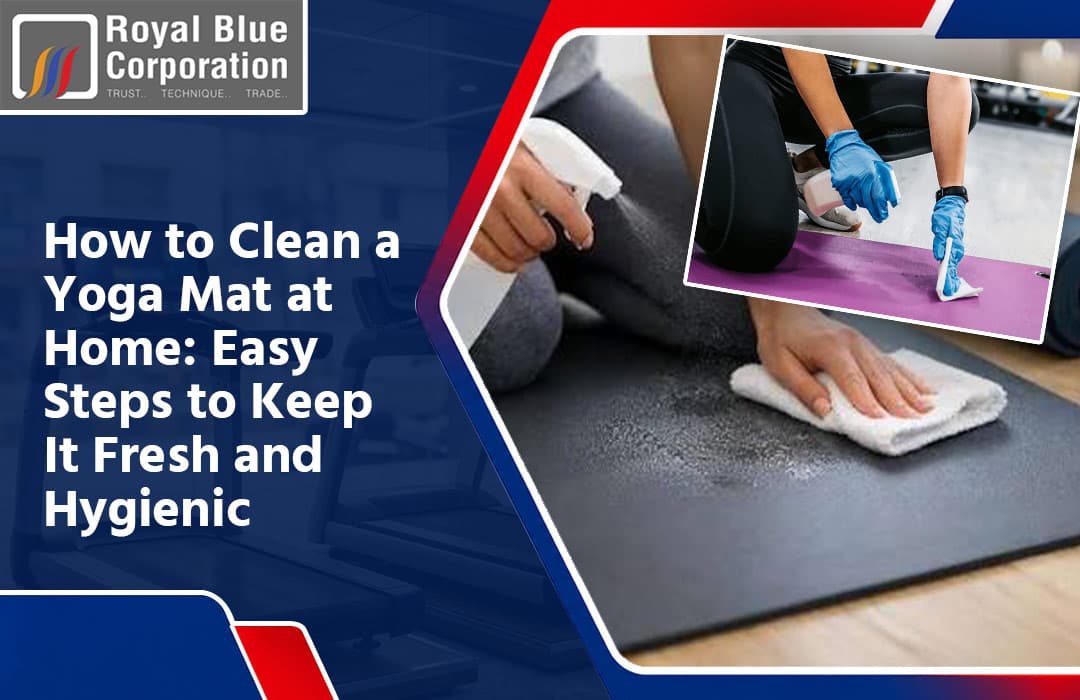
How to Clean a Yoga Mat at Home: Easy Steps to Keep It Fresh and Hygienic
Discover easy and effective ways to clean your yoga mat at home, remove dirt and sweat, and keep it fresh and hygienic.
How to Clean a Yoga Mat at Home: Easy Steps to Keep It Fresh and Hygienic
Your yoga mat is your personal practice space. It supports your hands, feet, knees and sometimes even your face. Every session leaves behind sweat, skin oils, dust and bacteria. In a warm and humid country like Bangladesh, a dirty mat can quickly develop an unpleasant smell, become slippery and even grow mold if it is not dried properly.
The good news is that you do not need expensive products to keep your mat in top shape. This guide explains how to clean a yoga mat at home using simple, safe ingredients, how often to wash it, how to deal with odor and mildew, and how to make your mat last longer.
Why Cleaning Your Yoga Mat Matters
A clean yoga mat is not just about appearance. Regular cleaning:
- Improves hygiene: Sweat, dead skin cells and dust can attract bacteria and fungi.
- Prevents slipping: Body oils and lotions reduce grip, which can affect your balance in poses like downward dog or warrior.
- Removes bad odor: Trapped sweat is the main cause of a smelly mat.
- Extends mat life: Dirt and residue break down material over time.
- Makes practice more enjoyable: A fresh mat simply feels better to use.
Know Your Mat Material First
Before you start, check what your mat is made of, because different materials need slightly different care.
- PVC mats: Durable and common. They tolerate mild soap and water well.
- TPE (thermoplastic elastomer) mats: Lightweight and more eco-friendly. Use gentle cleaners.
- Natural rubber mats: Excellent grip but sensitive to harsh chemicals and direct sunlight.
- Cotton or jute mats: Often need spot cleaning and thorough drying.
- Cork mats: Naturally antimicrobial; wipe gently with a damp cloth.
- Foam or NBR mats: Soft and thick, commonly used for home workouts and stretching. Avoid soaking them.
Whenever possible, follow the manufacturer's care label first.
What You Need to Clean a Yoga Mat at Home
You probably already have most of these items:
- Mild liquid dish soap or gentle baby shampoo
- White vinegar
- Water
- A spray bottle
- A soft microfiber cloth or sponge
- A clean towel
- Optional: a few drops of tea tree or lavender essential oil for a pleasant, fresh scent
Quick Daily Cleaning After Each Practice
If you sweat heavily, a quick wipe after every session keeps odor from building up.
- Mix one part white vinegar with three parts water in a spray bottle.
- Lightly mist the surface of the mat.
- Wipe it with a soft cloth or microfiber towel.
- Let the mat air dry completely before rolling it up.
This takes less than two minutes and makes a big difference to freshness.
Deep Cleaning Method 1: Mild Soap and Water
This is the safest method for most mats and should be done every few weeks, depending on how often you practice.
- Fill a bathtub, large basin or bucket with lukewarm water.
- Add a few drops of mild dish soap and mix well.
- Dip a soft sponge or cloth into the soapy water and gently scrub both sides of the mat.
- Pay extra attention to areas where your hands and feet rest.
- Rinse thoroughly with clean water to remove all soap residue. Leftover soap can make the mat slippery.
- Squeeze out excess water by rolling the mat in a clean towel and pressing gently.
- Hang or lay it flat to dry (see the drying section below).
Deep Cleaning Method 2: Vinegar and Water Solution
Vinegar is a natural cleaner that helps neutralize odor.
- Mix equal parts white vinegar and water in a spray bottle.
- Spray both sides of the mat evenly.
- Let it sit for 5 to 10 minutes.
- Wipe it clean with a damp cloth.
- Air dry completely.
Note: Avoid using strong vinegar solutions frequently on natural rubber mats, as they may dry out or damage the material. A more diluted solution is safer.
Deep Cleaning Method 3: Baking Soda for Stubborn Smell
If your mat still smells after washing, baking soda can help.
- Sprinkle a thin layer of baking soda over the dry mat.
- Let it sit for 20 to 30 minutes to absorb odor.
- Wipe it away with a slightly damp cloth.
- Allow the mat to dry fully.
How to Dry a Yoga Mat Properly
Drying is just as important as washing. A mat that stays damp can develop mildew and a musty smell.
- Hang it over a shower rod, clothesline or railing in a shaded, well-ventilated area.
- Avoid long exposure to direct sunlight, which can make rubber and TPE mats brittle and fade the color.
- Dry both sides. Flip the mat halfway through.
- Never roll up a damp mat. Wait until it is completely dry.
- Use a fan during humid or rainy weather to speed up drying.
What Not to Use on Your Yoga Mat
Some products can damage your mat or leave it slippery:
- Bleach or harsh household cleaners: They can break down the surface.
- Alcohol-based products in large amounts: They may dry out the material.
- Oils or heavily scented soaps: They reduce grip.
- Washing machines and dryers: These can tear or warp most mats unless the label specifically says they are machine-safe.
- Abrasive brushes: They can scratch the surface.
How Often Should You Clean Your Yoga Mat?
The right frequency depends on how often and how intensely you practice.
- Light practice (1 to 2 times a week): Wipe weekly, deep clean once a month.
- Regular practice (3 to 5 times a week): Wipe after each session, deep clean every two to three weeks.
- Hot yoga or heavy sweating: Wipe after every session and deep clean weekly.
- Shared or gym mats: Disinfect before and after each use.
How to Remove Mildew or Mold
If you notice black or green spots, act quickly.
- Mix one part white vinegar with one part water.
- Spray the affected area and let it sit for 10 minutes.
- Scrub gently with a soft brush or sponge.
- Rinse and dry thoroughly in a ventilated area.
If the mold is widespread or keeps coming back, it may be time to replace the mat for your health.
Tips to Keep Your Mat Fresh for Longer
- Wash your hands and feet before practice to reduce dirt transfer.
- Use a yoga towel over the mat if you sweat a lot.
- Store the mat in a dry, cool place, away from direct heat.
- Roll it loosely with the top surface facing outward to avoid curling at the edges.
- Avoid wearing shoes on your yoga mat.
- Keep pets away from your mat, as fur and claws can cause damage.
- Use a mat cleaner spray occasionally if you prefer a ready-made product.
When Should You Replace Your Yoga Mat?
Even with the best care, mats do not last forever. Consider replacing yours if:
- The surface is peeling, cracking or crumbling.
- It has lost cushioning and feels flat or uncomfortable on your joints.
- It stays slippery even after washing.
- A persistent odor or mold returns despite cleaning.
- You notice thin spots or tears.
A good-quality mat generally lasts for a year or more with regular use, depending on the material and how well you maintain it.
Complete Your Home Yoga Setup
Once your mat is clean and fresh, make sure the rest of your practice space is ready too. Explore our yoga collection for mats and accessories that support a comfortable practice. If you want extra cushioning for stretching, bodyweight workouts or core exercises, our floor mats, including the multicolor interlocking floor mat, can protect your floor and joints. You can also browse more home exercise equipment to build a complete workout corner.
Frequently Asked Questions
Can I wash my yoga mat in the washing machine? Only if the manufacturer's label says it is machine washable. Most mats are better cleaned by hand to avoid damage.
Can I use disinfectant wipes on my mat? Occasional use is fine for shared or gym mats, but avoid frequent use of harsh chemicals on your own mat. Mild soap or a vinegar solution is usually enough.
Why does my yoga mat smell bad? The usual cause is trapped sweat and moisture. Regular wiping and complete drying will prevent most odor.
How do I make my yoga mat less slippery? Clean it with mild soap, rinse well and make sure no residue is left. New mats are sometimes slippery at first, and a few washes or sessions can improve grip.
Is it safe to dry a yoga mat in the sun? Short exposure is generally fine for some mats, but long periods of strong sunlight can damage rubber and TPE. Shade drying is safer.
Final Thoughts
Knowing how to clean a yoga mat at home is simple and takes very little time. Wipe it after practice, deep clean it regularly with mild soap or a vinegar solution, and always dry it completely before storing. With these easy habits, your mat will stay hygienic, grippy and fresh for a long time.
Looking for yoga essentials, floor mats or other home fitness products? Visit Royal Blue Corporation for quality fitness equipment, nationwide delivery and helpful after-sales support, or get in touch with our team for guidance.